 Vapeonhai@gmail.com
 +92 313 1031548

Blogs, Vape And Health
Effects of Vaping on Health: What the Evidence Says
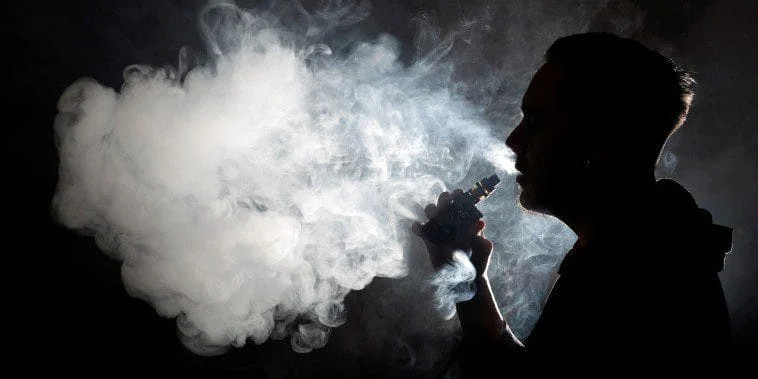
The effects of vaping on health are still being studied, but researchers already agree on a few key points. Vaping is generally considered less harmful than smoking cigarettes, yet it is not risk-free. This guide explains what we know about the short-term and long-term effects of vaping on health, who should avoid it, and how to reduce risk if you choose to vape.
This article is for general information only and is not medical advice. Speak to a doctor about your own situation.
How Vaping Works
A vape heats e-liquid into an aerosol that you inhale. E-liquid usually contains propylene glycol, vegetable glycerin, flavorings and, in most cases, nicotine. Unlike a cigarette, there is no burning tobacco, so there is no smoke and no tar.
Vaping vs Smoking: Which Is Less Harmful?
Burning tobacco releases thousands of chemicals, many of which cause cancer, heart disease and lung disease. Vaping exposes users to far fewer of these toxic substances, which is why public health bodies in several countries describe vaping as less harmful than smoking for adults who switch completely.
Less harmful does not mean safe. Vapor still contains nicotine and other chemicals, and the long-term picture is not yet clear because modern vapes have only been widely used for about fifteen years. The biggest benefit appears when a current smoker switches fully. Using both cigarettes and vapes keeps most of the risk of smoking.
Short-Term Effects of Vaping on Health
Some people notice effects soon after they start vaping:
- Dry mouth and throat
- Mild cough or throat irritation
- Headache or dizziness, especially with high nicotine strength
- Raised heart rate and a short-term rise in blood pressure from nicotine
- Nausea if you use too much nicotine at once
Most of these ease when you lower the nicotine strength, take fewer puffs or drink more water. If symptoms continue, stop vaping and see a doctor. Our guide to nicotine strengths in vape liquids explains how to choose a level that suits you.
Long-Term Effects of Vaping on Health
Nicotine dependence
Nicotine is addictive. Regular vaping can lead to cravings and withdrawal symptoms such as irritability, trouble concentrating and restlessness when you go without. Anyone who does not already use nicotine should not start.
Lungs and breathing
Inhaling anything other than clean air can irritate the airways. Some vapers report coughing or wheezing, and research on long-term lung effects is ongoing. A serious lung injury outbreak in the United States in 2019, known as EVALI, was mostly linked to illicit THC cartridges containing vitamin E acetate, not regulated nicotine e-liquids. It is still a strong reason to avoid unverified products and buy only from trusted sellers.
Heart and blood vessels
Nicotine temporarily raises heart rate and blood pressure. People with heart conditions should talk to a doctor before using any nicotine product.
Mouth and gums
Dry mouth and gum irritation are common. Good oral hygiene and plenty of water help.
Who Should Not Vape
- People under 18
- People who have never smoked or used nicotine
- Pregnant or breastfeeding women, because nicotine can harm a developing baby
- People with serious heart or lung conditions, unless a doctor has advised otherwise
Nicotine can affect brain development in teenagers and young adults, which is why vaping is not suitable for young people.
Can Vaping Help You Quit Smoking?
For some adult smokers, switching to vaping helps them cut down or stop smoking cigarettes. It works best when you replace cigarettes completely and then gradually lower your nicotine strength over time. Read more in our article on the role of vaping in smoking cessation. A doctor or pharmacist can also recommend approved quit-smoking support.
How to Reduce Health Risks If You Vape
- Buy devices and e-liquids only from trusted sellers
- Choose the lowest nicotine strength that keeps you off cigarettes
- Do not mix vaping with smoking
- Keep your device clean and replace coils on time. See how to fix a burnt coil and how to maintain your vape device
- Follow battery and device safety tips
- Stay hydrated and take breaks
- Keep devices and e-liquid out of reach of children and pets
You can also read how to build healthier habits in Vaping and a Healthy Lifestyle.
Frequently Asked Questions
Is vaping safer than smoking?
For adult smokers who switch completely, vaping is considered less harmful than smoking cigarettes. It is not harmless, and the long-term effects are still being researched.
Can vaping damage your lungs?
Vaping can irritate the airways, and long-term lung effects are not fully known. Unregulated or illicit products have been linked to serious lung injury, so always buy from trusted sources.
Is nicotine in vapes addictive?
Yes. Nicotine is addictive whether it comes from cigarettes or vapes. Lowering your nicotine strength over time can help you cut down.
Should non-smokers start vaping?
No. Vaping is intended for adult smokers looking for an alternative to cigarettes. If you do not smoke, you do not need to start.
Shop Vape Devices Online in Pakistan
If you are an adult smoker looking to switch, you can browse e-cig devices and systems and e-liquids at Vape On Hai.
